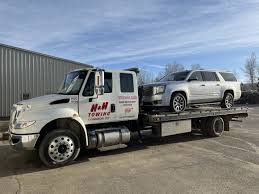
Winter has its moment, with huge challenges it poses for the vehicle. With air freezing temperatures, car performance can surprise everybody by dropping its safety bar. This is a full-on guide on how bitter cold impacts your car and how you can protect it during winter.
Low Pressure in the Tires
Low temperature compresses the air in your tires, which means low pressure in your tires.
Low pressure in the tyres leads to the following:
Your engine has to work more to move with under-inflated tyres, which consumes more fuel.
The tyres reduce traction, which makes it hard to steer, especially on icy roads.
Bad pressure makes tyres suffer a higher risk of damage.
Tire life gets shorter
Sustained use under poor conditions leads to uneven tread wear
Winter Tip
Tire pressure should be checked once a week when it’s cold and those must be pumped up to manufacturer levels. Winter tires meant to keep traction on icy and snowy conditions are a good investment, too.
2. Dead or Weak Battery
Chemical reactions in the battery slow with cold temperature. This will affect their ability to hold a charge and deliver it. It may also be worse with older batteries. Dim headlights and slow power window operation.
Winter Tip
Check your battery before winter and replace it if it’s near the end of its lifespan. Carry jumper cables along with a battery warmer should you reside in an area of extreme cold.
3. Thicker Fluids
Cold fluids, such as engine oil, transmission fluid, and antifreeze, also thicken. This reduces fluid flow, which can create:
Wear on motor parts.
Your car is stiff to start.
Diesel trucks can “jell”, and become unusable.
Winter Tip
Use winter-grade oils and fluids to the recommended viscosity for your car. Keep your tank at least half full when it gets cold so freezing doesn’t occur in fuel lines. Use additives where necessary.
4. Chipped Windshield and Wipers
Freezing temperatures and the effort of clearing snow and ice can damage your windshield and wiper blades. Scraping ice with windshield wipers also blunts the blades and obstructs your view.
Winter Tip
Spray your windshield with de-icer spray or simply let your car warm up a bit so the ice will melt before needing to employ your wipers. Prior to a new season starting, inspect your old blades and replace them, driving with your defroster on.
5. Slow Acting Technology and Screens
Some of the modern car technologies include touch screens, GPS systems, and backup cameras. Freezing temperatures usually make such systems very slow or even fail temporarily. LCD screens tend to work slowly in cold temperatures.
Winter Tip
Let your car warm up for a few minutes to allow its technology to work optimally. Make sure its heating system is in good condition so that it is able to reach interior temperatures that are acceptable to use your car’s technologies.
6. Crumbly or Cracking Rubbers
The rubber components of your car like seals, belts, and wiper blades lose their elasticity at freezing temperatures. The rubber becomes brittle and develops cracks that may lead to
Water leaks if the door seals are damaged.
Reduced functionality or snapping of belts.
Ineffective wiper blades that smear instead of clear.
Winter Tip
Inspect the rubber components for wear and tear before winter and replace those that appear to be deteriorating. Spray silicone on door seals to prevent doors from freezing.
Special Considerations for Electric Vehicles (EVs)
Specific to very cold temperatures, EVs face unique challenges, such as: the battery loses efficiency in the cold; charging also takes longer; the more energy needed simply to warm and maintain your battery function.
Winter Tip
Preheat your EV battery and cabin while it is plugged into a power source to minimize energy usage. Charge your EV regularly to avoid leaving stranded and consider a thermal battery cover to make your drive more efficient.
General Winter Car Care Tips
To minimize the risks of cold weather, here are some more tips:
Schedule a Pre-Winter Inspection
Engage a professional to inspect your car’s tires, battery, fluids, and heating system before the first frost.
Keep Emergency Supplies in Your Car
Carry a winter survival kit containing the essentials, including a flashlight, jumper cables, blankets, and a first-aid kit.
Prevent Your Car from Overheating
Avoid over-enclosed idling of the car for long durations in an enclosed space that might cause carbon monoxide accumulation.
Wash Your Car Regularly
Road salt can cause corrosion and damage to your car’s undercarriage. A winter wash routine will protect it.
Preparing for Winter Drives
Planning is crucial for safe winter driving. If you’re traveling long distances, check the weather forecast and road conditions beforehand. Equip your car with snow chains if necessary and ensure your headlights and taillights are clean for maximum visibility.
Conclusion
Winter weather is not necessarily a disaster for your car. You only have to understand how it works on different components of the vehicle and take necessary measures so that it won’t experience any troubles. Maintaining the proper pressure of tires and keeping the battery charged can help to prevent car trouble from coming your way. Be proactive, enjoy safe driving, no matter how low the temperature goes