Transportation of salvage vehicles is a complex process that requires expert knowledge, equipment, and care. Salvage vehicles are usually considered a total loss by insurance companies and represent severely damaged vehicles resulting from accidents, acts of God, or other events. Such vehicles are often unsafe or inoperable and thus need to be transported expertly from one location to another to ensure minimal damage to the vehicles and themselves.
What is Salvage Car Transport?
Salvage Car Transport Salvage car transport is the process of transporting damaged or wrecked cars through a specialized auto transportation service. Unlike usual automobile transportation, salvage car transport requires customized solutions to address all these special needs. The uniquenesses include securely tying down loose parts, preventing fluid leakage, stabilizing the car in the process of transportation, and managing documentation requirements. The service also stresses securing adequate coverage by insurance, to the point where the vehicle as well as the transporter are covered along the way. When using a seasoned salvage car transport company, owners can rely on their wrecked cars to be treated with care and professional diligence.
How Salvage Car Transport Works
Salvage Car Transport Procedure Shipping a salvage car is a process that includes several key steps to protect the vehicle while making the process much smoother:
1. Quote
Firstly, clients provide information on the salvage car such as make, model, year, and state of the car. Informed information regarding the condition of the car, whether it rolls, steers, or brakes, helps transport companies determine the needed equipment and to count its costs.
2. Pick-up Coordination
After a transport company selects a carrier, they will arrange for the pickup. In case the vehicle is located at an auction, the transport company collaborates with the auction house to facilitate easy collection. Essential information such as VIN and auction lot details will be provided to the transporter.
3. Collection of the Vehicle
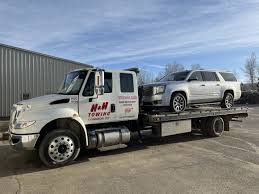
Specialized equipment, including winches for flatbed trailers, can be used to load the salvage car onto the transport vehicle. Great care is taken to stabilise the car and tighten loose parts so that no further damage occurs during transport.
4. Car Transportation
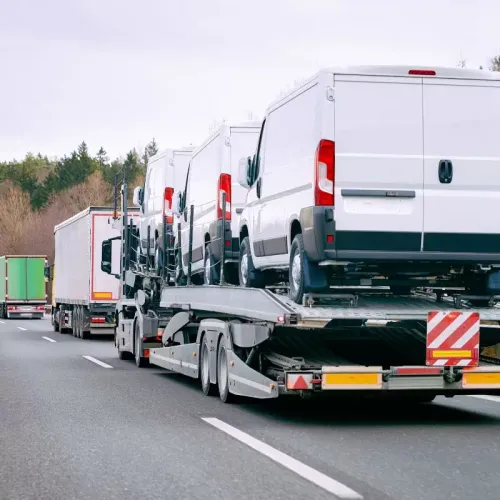
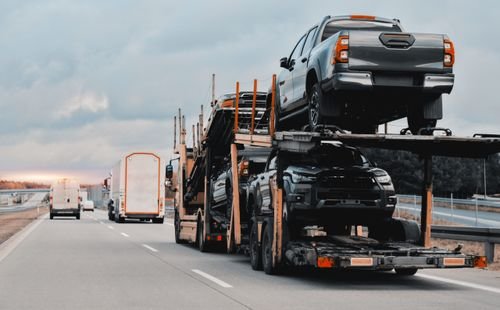
The shipper takes the vehicle to its destination and stabilizes and protects it over the entire journey. The transport might be an enclosed or an open trailer depending on whether the car is in good shape and client preference.
5. Delivery and Inspection
During delivery, thorough check-up for condition validity of the vehicle will be done. The client is advised to note any discrepancies or concerns at this point.
Why Choose Professional Salvage Car Transport?
Salvage vehicles should not be shipped without the help of a professional. This will, therefore, increase the damage that occurs or creates more problems on delivery to the destination. Auto transport firms specializing in wrecked car shipments possess knowledge and appropriate equipment in handling such freight. Professional shipping service ensures legal processes, such as insurance and transfer of title, thus creating a hassle-free process for the owner. Using professionals eliminates mishandling risks, such as unsecured loose parts or unstable stabilization in transport. Professional transport companies also usually offer door-to-door services so handling will be less and delivery will be more smooth.
Considering Factors That Affect the Cost of Transporting Salvage Cars
Among others, the cost of transporting a salvage vehicle is sensitive to several variables. Among these are the distance between pickup and delivery points, with longer distances tending to fetch more; seasonal demand; and peak moving seasons, which can increase rates because people might be in higher demand for transport services during such times. The condition of the vehicle is another critical determinant. Cars severely damaged or with inoperable conditions often need specialized equipment such as flatbed trailers or cranes which increases costs. The type of transport–whether open or enclosed-affects the pricing as well. Open transport is more economical, but enclosed transport provides added protection of high-value or rare salvage vehicles. Other determining factors are the make and model of the car, its weight and dimensions, and extra services such as expedited shipping or guaranteed pickup. Precise cost quotes will require detailed details about the condition of the vehicle and its requirements for transportation.
Shipping Salvage Cars from Auctions
Salvage cars are primarily purchased from auctions holding damaged or totaled vehicles sold at very low prices. Buyers usually include restoration hobbyists and resale companies, who will take advantage of these opportunities to buy vehicles for restoration or parts. However, shipping a car from a salvage auction presents unique challenges. The process starts with obtaining such documents as proof of purchase, an auction invoice, and all the papers required to transfer ownership. This ensures that there will be legal transportation of the vehicle. If the documentation is intact, buyers can now contact the auction house and transport company in terms of arranging pickup. Salvage cars from auctions may need extra handling, such as towing or crane loading. This is owing to their basic condition. Correct communication among all parties involved would ascertain a smooth process.
Ensuring Safe and Secure Transport
Transporting a salvage car safely depends on the proper equipment, professional operators, and careful planning. Vehicles with parts loose or fluids leaking must be stabilized and secured for the protection of the car and the transport equipment. Mostly, winches and flatbeds are used for inoperable cars to load and unload the vehicle with a high degree of safety. Another critical aspect of salvage car transport is insurance coverage. Because of the damaged nature of these automobiles, transporters sometimes require owners to be frank about the condition by offering full disclosure to determine what coverage will be required. Most legitimate transport companies offer supplemental coverage options for potential incidents during transit.
Salvage Car Transport: A Smart Solution
Salvage car transport services are an essential solution for moving wrecked vehicles safely and efficiently. Whether you’re shipping a totaled car from an auction or relocating a damaged vehicle for repairs, relying on professionals ensures a hassle-free experience. The process involves meticulous planning, expert handling, and the right equipment to ensure the vehicle is delivered without further damage. Considering distance, vehicle condition, and method of transportation, owners will make sound judgments in their salvage car transport business. Selecting a trustworthy auto transport company with experience in transporting salvage vehicles brings one peace of mind and delivers the car successfully.
Conclusion
Salvage car transport services take seriously the responsibility of moving damaged vehicles in a safe and specialized manner. With proper professionals, owners of vehicles will never have to undergo the stress or risk associated with wrecked cars. From loose parts to documentations, salvage car transport ensures that even the most damaged vehicle gets through safe and efficient transportation. To an individual dealing with a wrecked or totaled vehicle, it is wise to trust the professional service for secure and reliable transport.